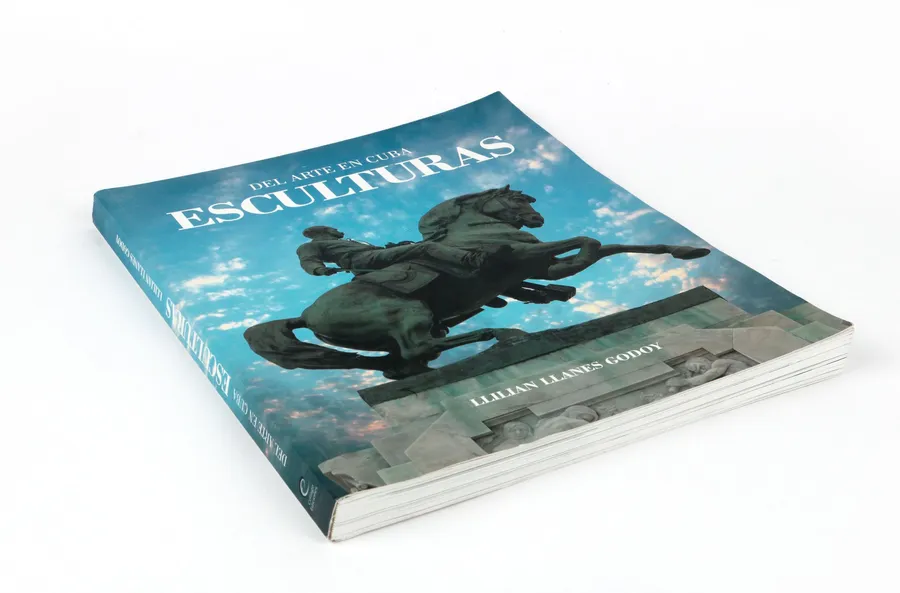
“Sculpture in Cuba from 1900 to 1930 offers an assessment of the works found in the environment of our cities — in most cases little or not at all recognized. Yet bringing their artistic values to light, and appreciating them fairly, would not only allow them to be better protected as part of the heritage of our culture and history, but would also let us enjoy an art whose setting is our history and our daily surroundings.”
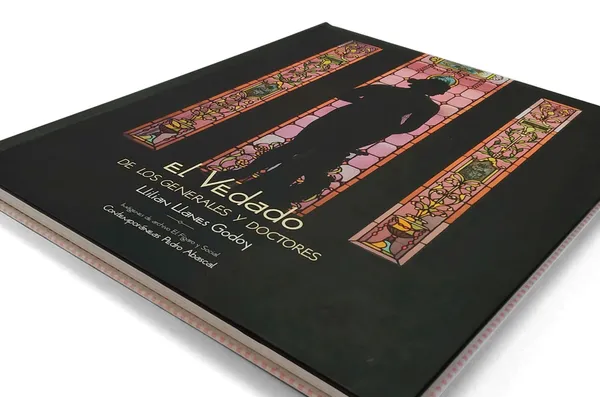
Llilian Llanes Godoy was the founding director of Cuba’s principal contemporary art museum, the Centro Wifredo Lam. A former art history professor at the University of Havana, she has written numerous articles on Third World art, a subject that still draws her to international conferences. From 1984 to 1999 she organized six Havana Biennials, bringing together art from around the world. She is the author of The Houses of Old Cuba (Thames and Hudson, 1998).
Her roles have included President for Cuba of AICA (International Association of Art Critics), Director of Art Situation Inc., Art Director of Art OnCuba magazine, and Director and Head Curator of the Havana Biennial at the Centro Wifredo Lam; she also works as a curator, guest lecturer and freelance writer.
José Ramón Villa Soberón (born September 2, 1950, Santiago de Cuba) is a Cuban artist known particularly for his public sculptures around Havana. He studied at the Escuela Nacional de Arte (National School of Art) in Havana and at the Academy of Fine Arts in Prague, and is a professor at the Instituto Superior de Arte in Havana. His sculptures, paintings, engravings, drawings and designs are held by the Museo Nacional de Bellas Artes de La Habana, and in 1996 he was one of the artists selected for the second Trienal Americana de Escultura in Argentina.